Jophiel 22, 1791 – Behind Orpheus City’s luminous façades lies a shadow economy. The bustling stock market thrives on the trade of supernatural materials—substances whose extraction fuels both technological marvels and elioud misery. This report investigates how Fiends, Giants, and geopolitics intersect in an industry built upon exploitation, suffering, and fragile accountability.

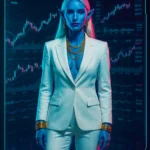
A glowing metropolis built on shadows. Orpheus City’s luminous façades hide a brutal, institutionalized trade (Credit: Kenomitian)
Today, the Orpheus City Stock Market opened with record highs for supernatural commodities. Demand for Fiendish metals, Giant byproducts, and crystallized energy has never been greater. Yet, the methods by which these materials are obtained mirror the darkest practices of the rare mineral trade, particularly cobalt. What began as small-scale “artisanal” harvesting has transformed into an industrial system where megacorporations weaponize suffering as a resource. This report explores how the market evolved, why the Oothoonian Union [1] tolerates it, and how Orpheus City has become both crucible and profiteer of misery.
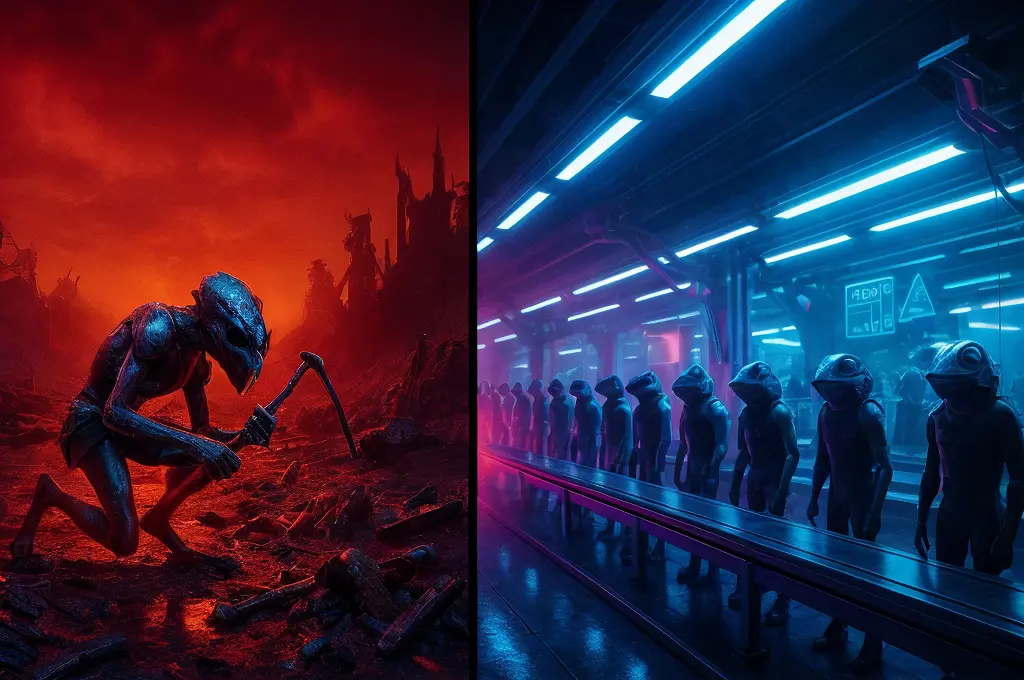
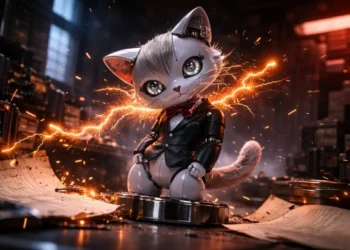
From desperate toil to industrialized despair: The supernatural materials trade has become an assembly line of suffering (Credit: Kenomitian)
Background and Context
Supernatural materials are no mere curiosities. Each is a substance charged with arcane potency: Yliaster enhances charismata, Mithril dampens magical influence, Orichalcum amplifies spells. These commodities are vital for thaumaturgical engines, magiware, and extra-dimensional exploration. Their value, however, is tied to the extraction of Orgone—energy radiated by negative emotion and despair.
The ethical dilemma is fundamental: progress depends upon misery. Where rare minerals cost sweat and soil, supernatural metals demand blood, spirit, and suffering. Orpheus City, the Oothoonian Union’s financial hub, institutionalizes this paradox by openly trading such products in its Stock Market, while its rulers—the Eupraxus and the Perfecti—ensure complicity remains systemic.
From Artisanal Desperation to Industrialized Misery
In the market’s infancy, low-level mages and impoverished communities engaged in hazardous, disorganized collection of Orgone and Fiendish secretions. The risks paralleled artisanal cobalt mining: child labor, debt bondage, and lethal environments. Witnesses recall children entering Fiend-haunted ruins, armed only with crude charms, to harvest slime-like vril secretions for a day’s bread.
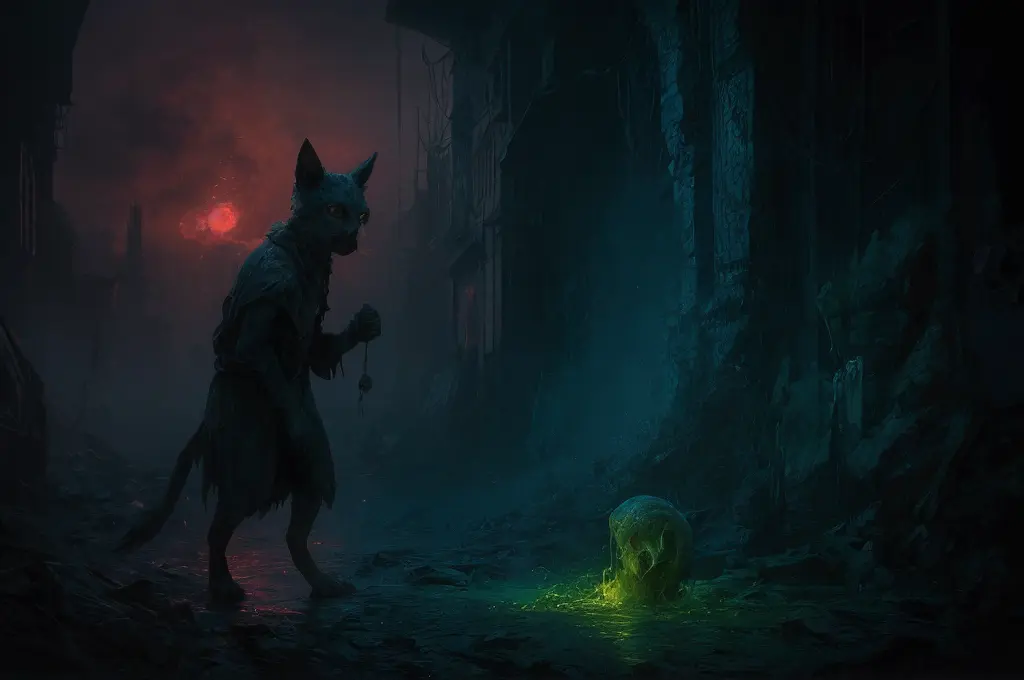
A child’s desperation, a market’s profit. In the grim ruins of Yesh, the supernatural materials trade begins with simple charms and terrifying risks (Credit: Kenomitian)
As demand surged, megacorporations replaced artisanal gatherers. Nuit Macroengineering [2] and YEQON [3] established extraction sites across Yesh and Tikun, deploying homunculi, nanite swarms, and enslaved workers to industrialize the harvest. Their efficiency came at a brutal price: systemic enslavement, corporate slave cloning programs, and industrialized torment engineered specifically to produce Orgone. What was once opportunistic suffering became an assembly line of despair.
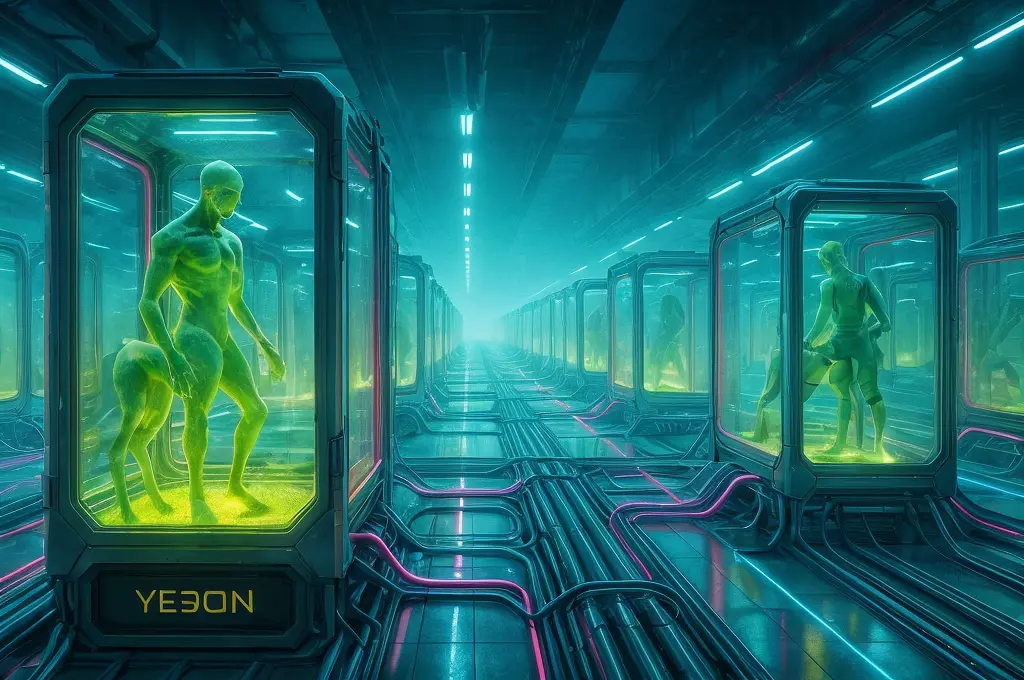
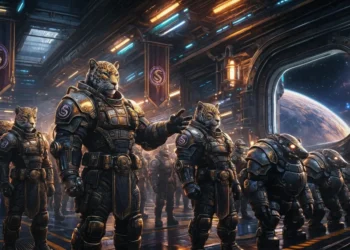
An assembly line of despair. Megacorporations like Nuit Macroengineering and YEQON have industrialized torment to harvest Orgone (Credit: Kenomitian)
Giants and the Commodification of Flesh
The entry of the Giants—Stone Titans like the Ylidheem—added another grotesque dimension. Ceraunia, their byproduct, neutralizes Fiendish metals and is vital in stabilizing thaumaturgical engines. Mining these colossi means harvesting fragments of their very bodies, often while the Giants still live. Sources describe “corpse-rights auctions” in Orpheus City where ownership of a Giant’s organs or lingering consciousness is traded like livestock futures.
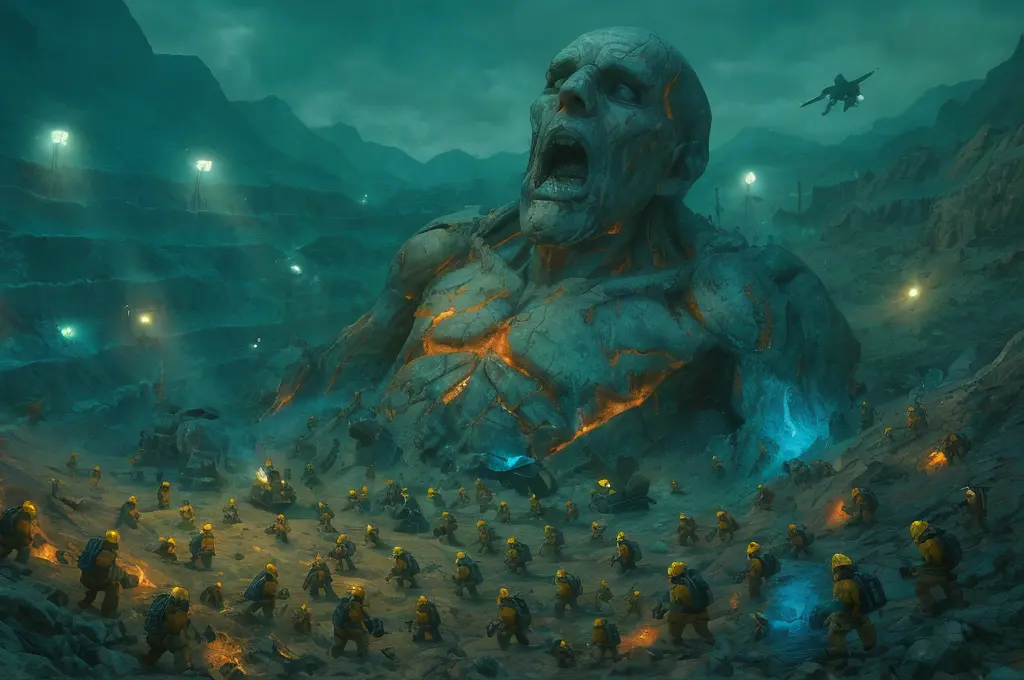
The true price of Ceraunia. The flesh of titanic beings is commodified, harvested from living Giants in a grotesque act of metaphysical colonialism (Credit: Kenomitian)
The geopolitical implications are severe. Nations compete over access to Giant remains, with the Oothoonian Union frequently accused of covert raids against rival holdings. The flesh of titanic beings has become both weapon and currency, entrenching a new cycle of metaphysical colonialism.
The shift from local extraction to inter-realm exploitation echoes imperial expansion. Tikun’s conceptual landscapes are strip-mined for ideas incarnate, Agartha is riddled with phantom mines, and Inferno—an impossible sun-surface pulsing with agony—is tapped for Ramiel, crystallized lightning. Every expedition carries existential risk: crews vanish into non-Euclidean storms, automata return corrupted, and entire colonies dissolve into paradox.
Still, the profits outweigh the risks. Byakhee-blood Adamantite trades higher than platinum. Invisible Batrachite, with its anti-gravitational potential, underpins new generations of sky-cities. The more perilous the realm, the higher the valuation on Orpheus City’s boards.
Beyond the Written Words, the Story Unfolds:
Fallout and Implications
The market’s expansion has birthed systemic consequences:
- Systemic exploitation. Slave markets, especially those justified under the “voluntary slavery” loophole, guarantee perpetual misery for Orgone harvesting.
- Geopolitical instability. Access to Fiendish and Giant resources sparks conflicts between Oothoonian corporations and rival cosmoi, while Perfecti immunity ensures impunity at home.
- Environmental and existential risks. Mining in extra-dimensional realms threatens entire ecosystems and even realities themselves.
- Opacity. Complex supply chains mask abuses. Claims of “ignorance” by corporations echo the deliberate blind spots of the cobalt industry.
- The concept of “ethical” supernatural materials remains elusive. Just as “ethical cobalt” struggles against systemic abuse, so too does this trade risk collapsing into hollow branding exercises. At best, corporations establish boutique “ethical” lines while leaving the bulk of their operations untouched.
The path forward requires more than token gestures:
- Binding regulation. Voluntary frameworks have failed. Without enforceable standards, megacorporations will continue exploiting both elioud and Fiends.
- Supply chain transparency. Blockchain-based tracking could expose abuses, but only if implemented beyond superficial box-ticking.
- Redefining ethical trade. Ethicality must mean active social improvement, not minimal harm avoidance.
- Yet the Oothoonian Union’s structure resists reform. The Eupraxus benefits from monopoly, the Perfecti profit from impunity, and the Stock Market thrives on opacity. Only external pressure—from rival nations, rogue mages, or awakening citizen movements—may alter this calculus.
Conclusion
Orpheus City shines brighter than ever, yet its brilliance is powered by shadows. The supernatural materials market exemplifies a dystopian paradox: dazzling innovation fueled by institutionalized suffering. Fiends are harvested, Giants commodified, and entire realms hollowed out, while profiteers in marble towers count their gains. The parallels to the cobalt trade are chilling, and the lessons are clear. Unless accountability is enforced and suffering decoupled from production, Orpheus City’s wealth will remain inseparable from the misery of countless beings across worlds.
The true price of power is written not in gold or stock tickers, but in anguish harvested and futures destroyed.
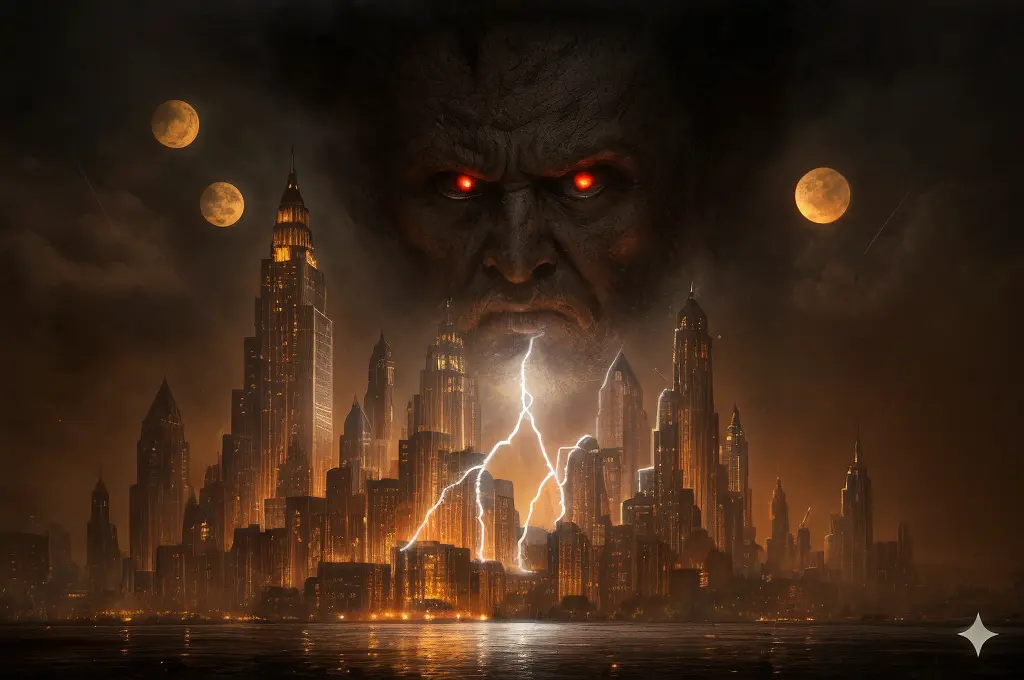
Brilliance fueled by shadows. Orpheus City shines, but its dazzling light is paid for in anguish, harvested from countless beings and realms (Credit: Kenomitian)
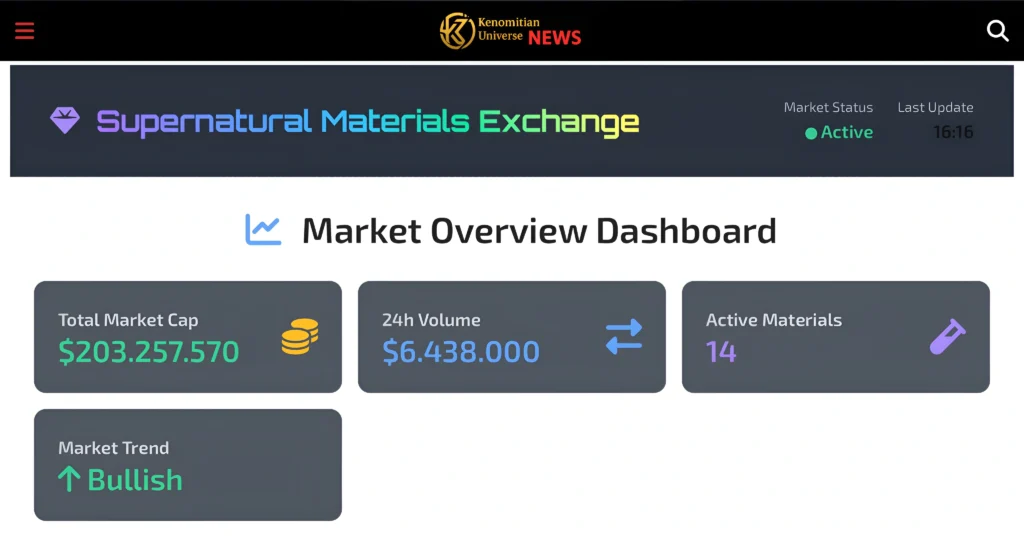
Keep track of the Supernatural Materials Exchange HERE.
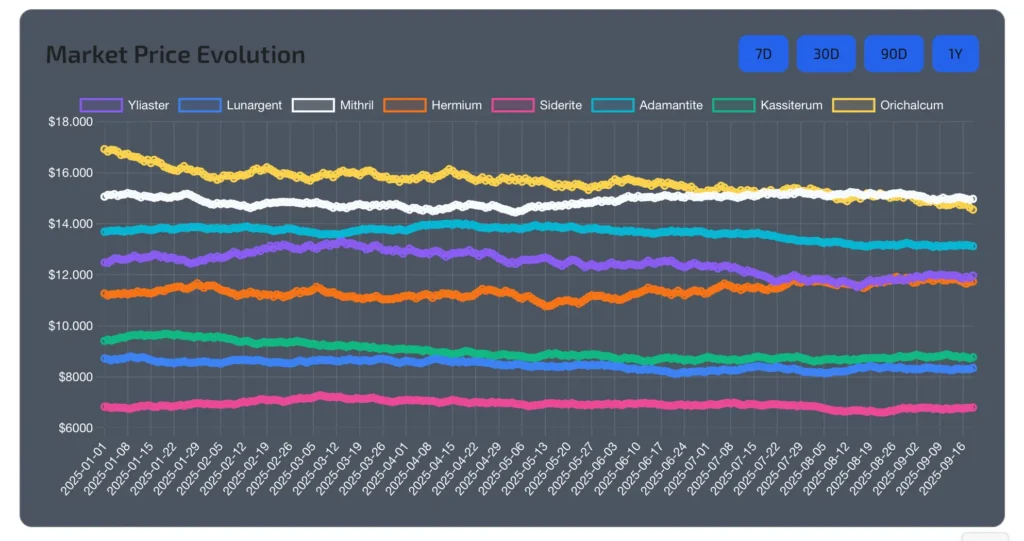
Notes extracted from the Kenomitian Compendium
[1] Oothoonian Union: a Decopunk dystopia organized like a pyramid scheme with an absolute monarch, the Eupraxus, at the top; who is assisted by the Perfecti: individuals, organizations and lineages who enjoy absolute immunity as long as they enforce the inscrutable edicts penned by their patron from the capital city of Los. It came about after the unification of the Metis Federation (an exclusionary and Steampunk democracy), the Holy Kingdom of Zagreus (a Raygun Gothic theocracy), the Eunation of Phanes (the Decopunk homeland of the Eupraxus monarchy), the Asterope Territories (Oothoon’s Steelpunk extra-dimensional colonies) and the Domination of Sideris (Oothoon’s Atompunk extra-planetary colonies).
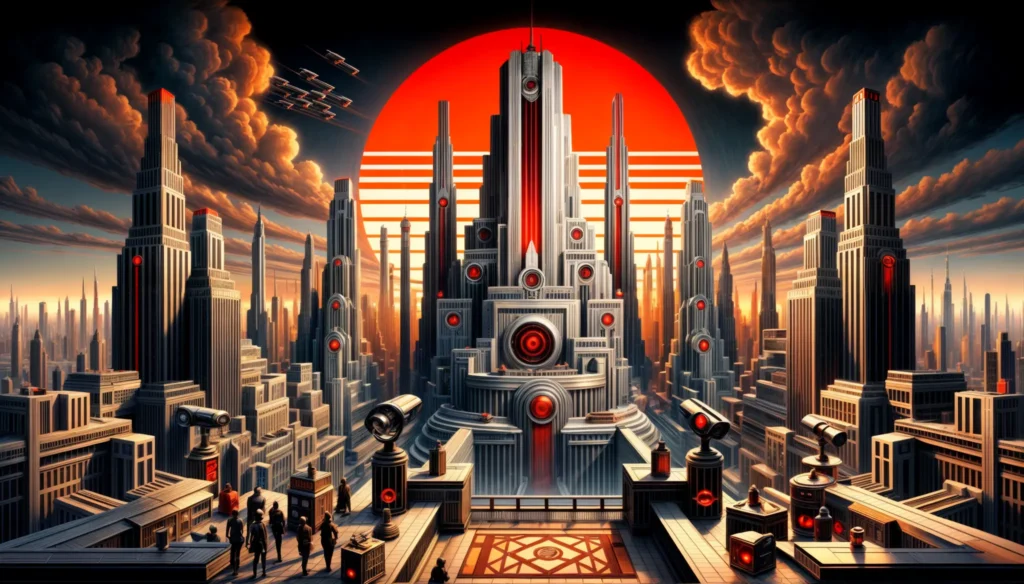
A glimpse into the Oothoonian Union (Credit: Kenomitian). See more
[2] Nuit Macroengineering: an Afrofuturist megacorporation, prominent in the energy, transportation, mining and robotics/cybernetics sectors. It is ruled by the mundane AI Aker and its gestalt of cybernetically augmented animals.
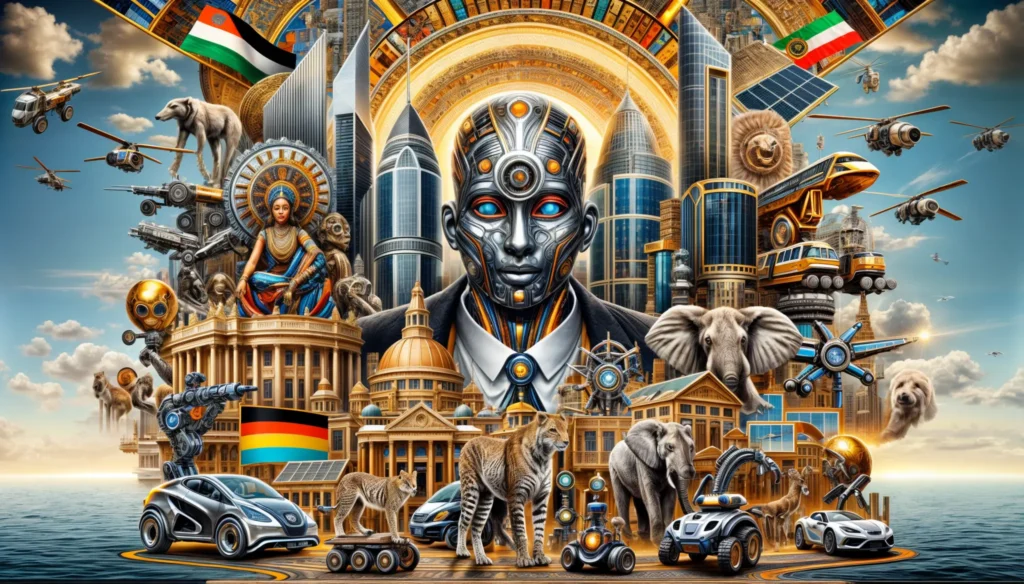
A glimpse into the Nuit Macroengineering (Credit: Kenomitian). See more
[3] YEQON is an Atompunk, Hanseatic‑inspired megacorporation spanning heavy industry, energy, oil, chemicals, transport, aerospace, Tikun exploration, environmental technology, and telecommunications; headquartered in Vala (Birmingham, Kingdom of Albion), it controls the Hermit Nation of Zerzura and is secretly steered by fairies from the darker Dreamlands. Operating under capitalism, it uses Volka (German), Dán (Danish), Pretanic (English), Xaoh (Mandarin), Tian (Cantonese), and Mamuna (Interlingua), and maintains extra‑planetary colonies on Hyperuranion, Behenius, and Horos alongside extra‑dimensional outposts. Its legal regime permits necromancy on slave or corporate corpse/ghost assets, allows psychomancy and telegnosis on slaves or POWs but bans them on free citizens (recording magic and empathy excepted), treats Emmakha as Sod, and “abolishes” slavery with a voluntary‑slavery loophole. Mundane AIs and uplifted/parasapient tlavati are corporate property; the company leans on automata and company‑owned ghosts and zombies, regularly raids Paraplex, and distinguishes between national and megacorporate citizenship. YEQON ranks Megacorp #3 and flies the slogan “The best for the best.”
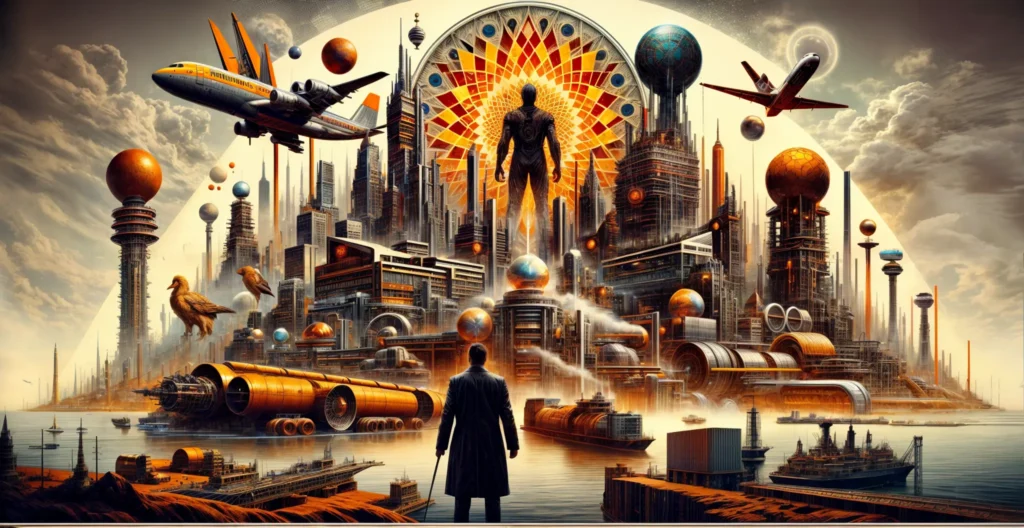
A glimpse into the YEQON (Credit: Kenomitian). See more